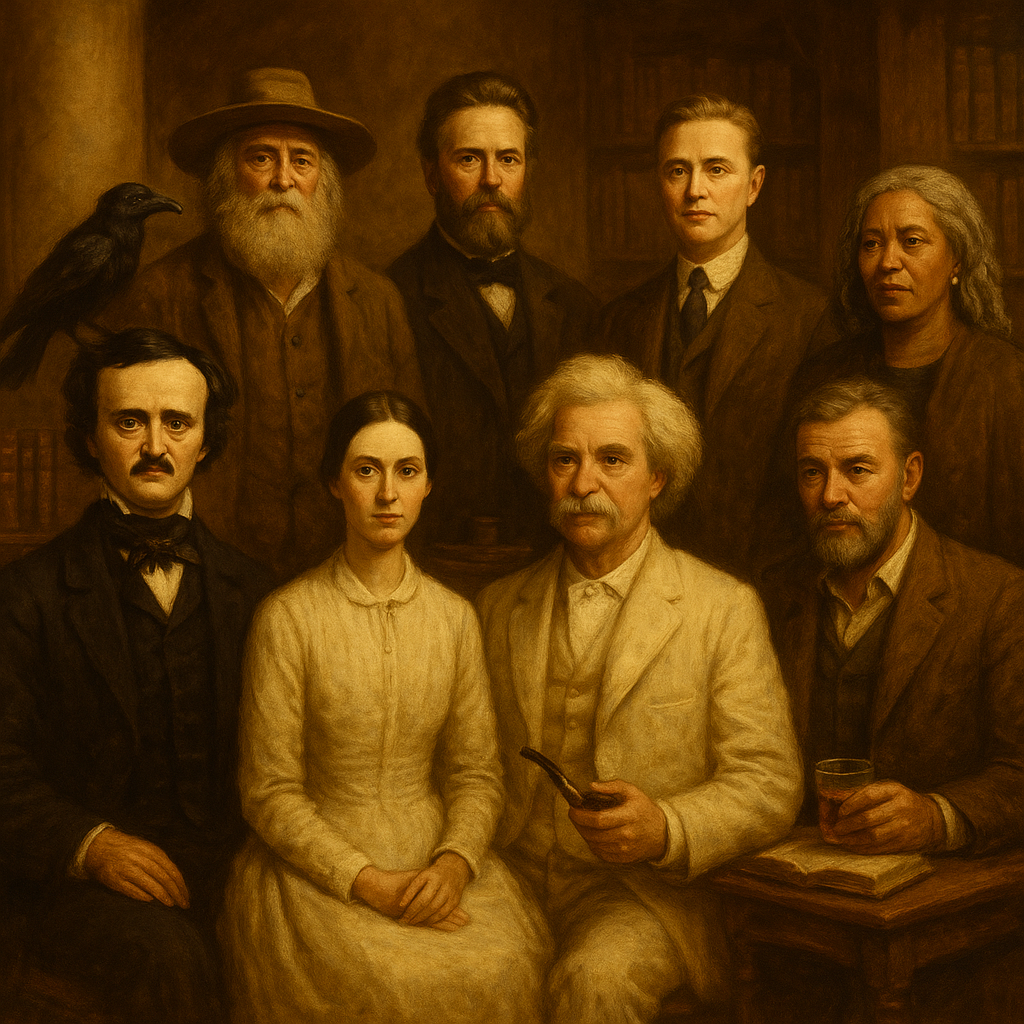
Introduction: Mark Twain
Mark Twain reshaped American literature through wit, satire, and keen observation. Moreover, he captured the essence of 19th-century society vividly. His writing blends humor with moral insight consistently. Therefore, readers find both entertainment and reflection in his work. Each story offers social critique, often veiled in playful narrative. Furthermore, Twain’s voice remains relatable across generations. His mastery of regional dialects adds realism and charm. Consequently, he portrays characters with vivid depth and authenticity. Moreover, his perspective challenges social norms cleverly. The life of Mark Twain reveals resilience, creativity, and intellectual curiosity. Beyond novels, he wrote essays, letters, and travel accounts that illuminate society. Therefore, Twain’s influence endures in literature and popular culture. Clearly, his unique blend of humor, satire, and compassion secures lasting relevance.
1. Early Childhood and Family
Mark Twain was born Samuel Clemens in Missouri. Moreover, his early environment shaped his imagination deeply. He spent childhood along the Mississippi River. Therefore, river life influenced later works profoundly. Each day included observation of human behavior. Furthermore, Twain’s family instilled values of education and curiosity. He developed reading habits early and explored local folklore. Consequently, these experiences inspired his storytelling style. Additionally, young Twain observed injustice and inequality firsthand. These observations later surfaced in his satire. Moreover, he displayed a natural talent for humor. Therefore, early family influence grounded his moral and literary sensibilities. Childhood adventures provided material for lifelong writing inspiration. Clearly, the river, town life, and family formed Twain’s narrative foundation. His early years built skills in observation, imagination, and empathy.
2. Education and Formative Years
Twain received limited formal schooling but learned extensively through reading. Moreover, he explored history, science, and literature independently. Consequently, his self-education shaped his unique narrative voice. He also took on diverse jobs to support family. Therefore, real-world experience strengthened observation and humor. Each occupation expanded his understanding of social hierarchies. Furthermore, interaction with varied communities fueled character development skills. Young Twain witnessed societal injustice and human folly firsthand. These experiences became key themes in later novels. Moreover, he cultivated storytelling by entertaining friends with anecdotes. Therefore, education extended beyond classrooms into life itself. Curiosity guided his intellectual growth constantly. Consequently, Twain’s formative years became training ground for literary mastery. His blend of personal observation and imaginative exploration created enduring authenticity. Clearly, self-taught knowledge fueled his critical and humorous writing style.
3. Adventures on the Mississippi
Twain worked as a river pilot on the Mississippi River. Moreover, this experience provided deep insight into culture and commerce. He mastered river navigation, observing human behavior closely. Therefore, the river influenced settings in his fiction profoundly. Each voyage revealed social customs, economic disparity, and local folklore. Furthermore, Twain recorded vivid details for future stories. Consequently, these experiences enriched novels like Adventures of Huckleberry Finn. He learned storytelling from encounters with diverse individuals. Moreover, humor and wit arose naturally from river tales. Therefore, the Mississippi shaped both literary imagination and thematic depth. Each observation contributed realism to dialogue and setting. Furthermore, Twain’s river adventures inspired a sense of freedom and rebellion. Consequently, the river symbolized opportunity, challenge, and human folly. Clearly, river life cemented Twain’s place as chronicler of American society.
4. Beginnings in Journalism
Twain began writing for local newspapers early in his career. Moreover, journalism sharpened his satire and wit. He developed concise and engaging prose through deadlines. Therefore, early reporting honed narrative clarity and social observation. Each article reflected humor, moral reflection, or regional commentary. Furthermore, newspaper writing introduced him to wide audiences. Consequently, journalism bridged his transition into novels and essays. He experimented with tone, voice, and rhetorical strategies. Moreover, this platform revealed public tastes and societal concerns. Therefore, Twain refined techniques in persuasion and humor. Each assignment strengthened his ability to depict character realistically. Furthermore, readers responded to his unique, lively style. Consequently, journalism became training ground for literary skill. Clearly, these experiences shaped Twain’s voice and popular appeal. Writing, observation, and humor merged naturally through press work.
5. Early Published Works
Mark Twain published his first sketches under pseudonyms in newspapers. Moreover, these early pieces revealed humor, satire, and keen observation. Consequently, he gained recognition gradually among readers and editors. His stories often highlighted social folly and human weakness. Therefore, he captured attention through wit, clarity, and relatability. Each narrative contained moral commentary masked by comedy. Furthermore, Twain experimented with voice, dialogue, and pacing. Early publications led to travel writings, essays, and short stories. Moreover, editors encouraged him to explore larger projects. Therefore, publishing built confidence and professional credibility. Each story demonstrated Twain’s ability to entertain while instructing subtly. Furthermore, the early works foreshadowed later masterpieces. Consequently, the foundation of his career rested on disciplined observation, humor, and social critique. Clearly, Twain’s first publications shaped his literary identity decisively.
6. Humor and Satire
Twain’s humor often critiques human folly and societal hypocrisy. Moreover, he blends irony, exaggeration, and wit seamlessly. Consequently, readers enjoy laughter intertwined with moral insight. Each anecdote exposes weaknesses in manners, politics, or pride. Furthermore, Twain addresses injustice without heavy-handed moralizing. Therefore, satire becomes subtle, engaging, and persuasive. His comedic timing relies on careful observation of character. Moreover, exaggeration emphasizes absurdity while revealing truth. Consequently, humor becomes instrument for reflection. Each work shows intelligence behind amusement. Furthermore, Twain’s satire endures because it combines empathy with criticism. Therefore, laughter teaches lessons beyond entertainment. Every reader recognizes truth in absurdity. Moreover, moral reflection accompanies enjoyment naturally. Consequently, his unique humor secures literary immortality. Clearly, Mark Twain mastered the union of wit, ethics, and social commentary effectively.
7. Travel Writings and Exploration
Twain’s travels inspired essays and memoirs full of vivid detail. Moreover, observation shaped descriptions of people, cultures, and landscapes. Consequently, travel became a vehicle for humor and moral reflection. Each journey revealed contradictions and eccentricities of societies abroad. Furthermore, Twain documented encounters with curiosity, wit, and compassion. Therefore, readers experienced education and amusement simultaneously. His works like The Innocents Abroad reflect sharp observation with playful critique. Moreover, he highlighted absurdities without offending human dignity. Consequently, travel writing extended both literary reach and public appeal. Each narrative balances entertainment, social critique, and insight. Furthermore, Twain’s curiosity enhanced authenticity. Therefore, exploration enriched narrative voice and ethical perspective. His stories combine human observation, aesthetic delight, and social reflection. Clearly, travel informs Twain’s mastery of character, dialogue, and moral vision.
8. Major Novels and Themes
Twain authored novels addressing freedom, morality, and human folly. Moreover, Huckleberry Finn and Tom Sawyer exemplify his narrative skill. Consequently, readers engage with adventure and reflection simultaneously. Each novel portrays childhood, society, and conscience vividly. Furthermore, Twain critiques racism, class, and hypocrisy through storytelling. Therefore, his works entertain while teaching subtly. Humor, dialect, and local color enhance realism and charm. Moreover, characters reveal moral dilemmas and human complexity. Consequently, themes resonate across generations. Each narrative blends ethics, culture, and vivid landscape seamlessly. Furthermore, Twain’s novels balance lightheartedness with serious reflection. Therefore, stories remain compelling and morally instructive. Twain’s literary mastery emerges from interplay of observation, humor, and conscience. Clearly, his novels reflect both human truth and creative brilliance.
9. Writing Style and Technique
Twain’s prose combines colloquial speech, humor, and narrative clarity. Moreover, dialogue reveals character personality vividly. Consequently, realism appears natural and engaging. Each sentence balances rhythm, wit, and meaning. Furthermore, pacing mirrors emotional and moral tension. Therefore, readers experience story organically. Twain uses repetition, irony, and exaggeration for emphasis. Moreover, regional dialect adds authenticity without distraction. Consequently, narrative voice becomes immersive. Each paragraph conveys tone and ethical perspective simultaneously. Furthermore, descriptive imagery enhances setting and mood. Therefore, his technique aligns craft with insight. Twain’s literary style merges entertainment with instruction. Clearly, his narrative precision and humor define enduring prose. Moreover, readers connect with characters, dialogue, and moral reflection instinctively. Consequently, style elevates substance naturally.
10. Public Lectures and Performance
Twain toured widely as a lecturer and storyteller. Moreover, live performances showcased humor, timing, and moral insight. Consequently, audiences connected directly to wit and observation. Each lecture illustrated societal folly, human weakness, or adventure. Furthermore, public speaking honed narrative voice and timing. Therefore, oral delivery strengthened written technique. Twain often improvised to suit audience reaction. Moreover, humor and satire became performative tools of persuasion. Consequently, storytelling entertained while imparting subtle lessons. Each tale reflected ethics through laughter and illustration. Furthermore, audience interaction provided insight into popular culture and taste. Therefore, Twain adapted stories for impact and clarity. Performances amplified literary fame and influence. Clearly, public lectures reinforced Twain’s position as moral and literary authority. His stagecraft mirrored narrative skill and social awareness naturally.
11. Humor as Social Critique
Twain used humor to challenge social norms and prejudice. Moreover, irony and exaggeration highlight absurdity in society. Consequently, laughter exposes injustice effectively. Each story presents folly with moral undertones. Furthermore, satire encourages reflection without alienation. Therefore, humor becomes ethical instrument. Twain addresses racism, greed, and corruption subtly. Moreover, wit balances criticism with relatability. Consequently, readers recognize societal flaws personally. Each anecdote engages thought and feeling together. Furthermore, clever observation strengthens social commentary. Therefore, amusement leads to reflection and learning. Twain transforms comedy into social pedagogy naturally. Clearly, humor empowers critique while sustaining enjoyment. Moreover, moral resonance endures beyond immediate laughter. Consequently, ethical observation blends seamlessly with entertainment consistently.
12. Mark Twain’s Popularity
Twain’s appeal arises from humor, realism, and social insight. Moreover, audiences connect with vivid characters and lively dialogue. Consequently, novels and essays reach broad readership. Each story balances entertainment, critique, and relatability. Furthermore, witty observations create memorable narratives and universal relevance. Therefore, popularity stems from both style and moral engagement. Twain’s humor transcends generations and cultural differences. Moreover, themes of freedom, injustice, and adventure resonate timelessly. Consequently, readers discover joy, reflection, and understanding together. Each work appeals to imagination and conscience. Furthermore, literary skill combines with empathy naturally. Therefore, Mark Twain’s influence persists beyond his lifetime. Popularity reflects blend of observation, humor, and ethical insight. Clearly, audiences embrace his wit and moral vision continually. Twain communicates timeless truths in accessible form.
13. Literary Awards and Recognition
Mark Twain received acclaim during and after his life. Moreover, critics praised narrative innovation and ethical reflection. Consequently, awards, honors, and scholarly attention followed. Each acknowledgment confirmed his impact on literature. Furthermore, recognition inspired further creative work consistently. Twain’s originality drew global admiration and study. Moreover, public lectures and publications strengthened his literary fame. Consequently, influence shaped American literary canon. Each accolade acknowledged skill in character, dialogue, and satire. Furthermore, peers recognized moral insight behind humor. Therefore, Mark Twain earned both popular and academic respect. Literary praise enhanced confidence and cultural authority naturally. Moreover, recognition preserved legacy for future generations. Consequently, his works remain essential in curriculum and study. Clearly, Twain’s impact endures in literary scholarship and culture.
14. Mark Twain’s Influence on Literature
Twain shaped narrative form, humor, and realism profoundly. Moreover, later writers adopted dialect, irony, and moral commentary. Consequently, his legacy extends across fiction, essays, and theater. Each story inspired structural experimentation and social critique. Furthermore, Twain influenced regionalism, satire, and American vernacular style. Therefore, literature reflects moral and aesthetic lessons from his work. Novels such as Huckleberry Finn became benchmarks of storytelling. Moreover, humor and observation inform contemporary authors continually. Consequently, readers recognize Twain’s fingerprints across literary history. Each work exemplifies ethics, social awareness, and narrative innovation. Furthermore, his style nurtures authentic voice in literature naturally. Therefore, Mark Twain shaped both content and form. Influence manifests in pedagogy, critique, and creative experimentation. Clearly, his impact remains foundational and transformative.
15. Travel and Adventure Writing
Twain’s adventures inspired essays and popular travelogues extensively. Moreover, observation revealed absurdities, culture, and human nature vividly. Consequently, writing entertains and educates simultaneously. Each journey provided material for humor and social reflection. Furthermore, international experience expanded understanding of human behavior. Therefore, travel writing complemented narrative skill and insight. Works like Roughing It balance adventure, morality, and satire seamlessly. Moreover, Twain highlights contradictions without ridicule. Consequently, his accounts combine amusement and instruction naturally. Each essay develops character observation and narrative clarity. Furthermore, exploration nurtures imaginative and ethical dimensions. Therefore, Mark Twain’s travel narratives remain historically and literarily relevant. Adventure and reflection merge through humor, insight, and observation consistently. Clearly, travel shaped perspective, enriched style, and enhanced thematic depth.
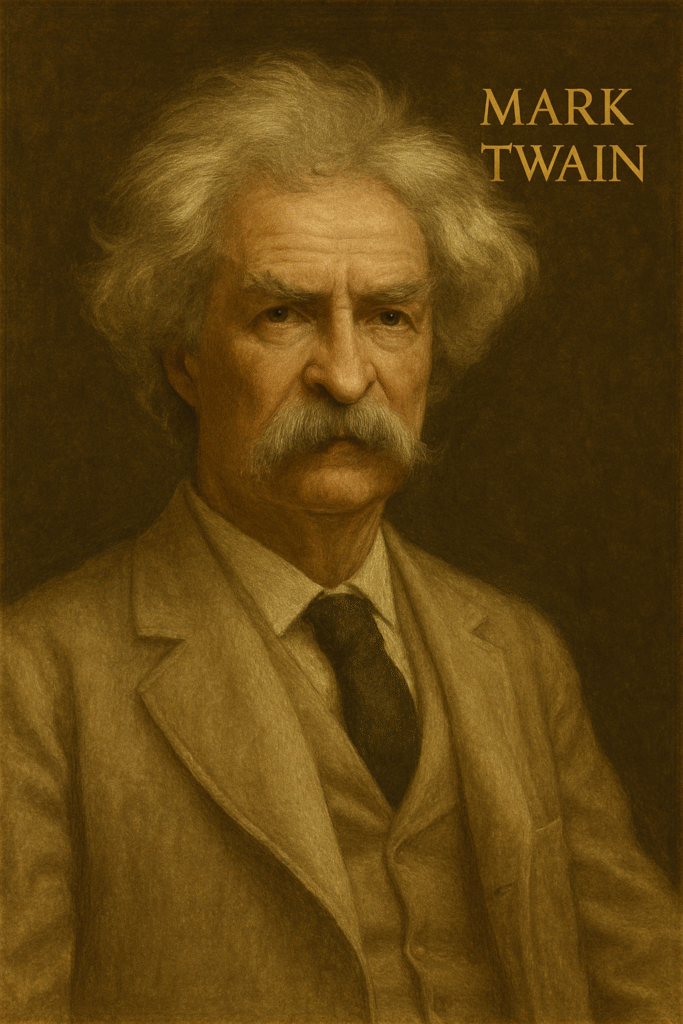
16. Late Career and Personal Struggles
He faced financial troubles despite literary success. Moreover, investments failed, causing persistent stress. Consequently, he toured extensively to repay debts. Each lecture demanded energy, wit, and emotional resilience. Furthermore, family illness and loss compounded his challenges. Therefore, personal adversity shaped his perspective and writing tone. Despite hardship, he maintained humor and moral observation. Moreover, professional obligations required constant adaptation. Consequently, late works blend satire, reflection, and mature insight. Each project demonstrates perseverance amid pressure. Furthermore, experience deepened ethical reflection and creative depth. Therefore, life’s challenges became literary fuel consistently. Readers witness resilience through adversity and wit. Emotional trials informed narrative sophistication naturally. Consequently, personal struggle enhanced empathy and narrative honesty. His journey demonstrates how adversity informs wisdom, humor, and artistic strength.
17. Relationship with Family
Family life influenced perspective profoundly and consistently. Moreover, parenting and marriage shaped themes of responsibility and morality. Each domestic challenge inspired reflection on human behavior. Furthermore, children’s experiences mirrored societal innocence and curiosity. Consequently, family relationships appear vividly in character interactions. Each connection emphasizes love, discipline, and guidance naturally. Moreover, companionship and loss fuel humor, empathy, and pathos. Therefore, domestic observation strengthens moral and aesthetic storytelling. Personal bonds shaped narrative perspective intimately. Furthermore, humor often softened difficult experiences. Consequently, family awareness provides authenticity to character dynamics. Each lesson of loyalty, patience, or grief reinforces thematic depth. Emotional observation drives narrative realism effectively. Moreover, domestic life integrates with broader societal critique seamlessly. Consequently, family experiences become microcosms of human morality. Readers gain insight into ethics, affection, and social behavior consistently.
18. Social Commentary
Observation of inequality shapes critical narrative consistently. Moreover, economic, racial, and gender disparities appear in storylines. Each depiction blends humor with ethical reflection subtly. Furthermore, human behavior under pressure becomes central focus. Consequently, social critique emerges naturally through character and plot. Every narrative balances entertainment and moral instruction effectively. Moreover, irony and satire highlight systemic absurdities. Therefore, works instruct readers without heavy-handed moralizing. Social observation emphasizes empathy, reflection, and human fallibility. Furthermore, ethical dilemmas appear vividly through dialogue and action. Consequently, societal critique reinforces literary value continually. Each anecdote or plot highlights injustice subtly yet powerfully. Moreover, humor transforms critique into accessible reflection. Therefore, literature becomes tool for moral observation. Social insight strengthens thematic depth and audience engagement consistently.
19. Philosophy and Ethics
Ethical concern permeates narrative and dialogue carefully. Moreover, philosophical questions guide character choices naturally. Each dilemma illustrates consequences of action and morality. Furthermore, reflection invites readers to engage intellectually and emotionally. Consequently, narratives blend insight, humor, and ethical tension. Characters confront pride, greed, and deception regularly. Moreover, virtue and folly appear side by side vividly. Therefore, ethical observation informs plot and character development. Each story encourages evaluation of human behavior critically. Furthermore, consequences of moral and immoral actions appear naturally. Ethical complexity engages readers and encourages reflection consistently. Consequently, literature demonstrates philosophy through action, choice, and consequence. Each moral lesson intertwines with humor, dialogue, and plot. Furthermore, insight develops organically through observation and narration. Ethical inquiry strengthens narrative and deepens human understanding effectively.
20. Literary Humor
Comedy appears as moral and aesthetic device consistently. Moreover, irony and exaggeration reveal folly vividly. Each humorous episode entertains while prompting reflection. Furthermore, absurdity becomes lens for human weakness and cultural critique. Consequently, laughter carries moral and emotional significance seamlessly. Jokes, anecdotes, and satire convey lessons subtly. Moreover, wit balances entertainment and ethical observation carefully. Therefore, humor reinforces reader engagement and reflection naturally. Each story illustrates absurdity, misjudgment, or pride vividly. Furthermore, comedy humanizes characters and softens critique. Consequently, laughter promotes insight without didacticism. Each element blends narrative, dialogue, and moral commentary harmoniously. Moreover, wit sustains attention and reinforces thematic coherence. Therefore, humor functions as both pleasure and ethical lens. Comedy ensures accessibility while illuminating human behavior consistently.
21. Regionalism and Setting
Local landscapes appear vividly and symbolically in narrative. Moreover, natural surroundings mirror emotional and ethical states of characters. Each setting conveys cultural, social, and historical context accurately. Furthermore, regional detail enhances authenticity and narrative richness. Consequently, readers experience place as integral to story. Local dialect, customs, and environment reinforce character development consistently. Moreover, geography shapes plot and moral observation naturally. Each scene blends scenery, action, and reflection seamlessly. Furthermore, community interaction informs both humor and critique. Consequently, regionalism underpins realism, ethical insight, and narrative depth. Every village, river, or street gains symbolic significance. Moreover, local color engages the senses and imagination. Therefore, setting becomes moral, cultural, and aesthetic framework consistently. Regional depiction amplifies thematic resonance and story immersion naturally.
22. Characterization
Characters demonstrate complexity, humor, and moral ambiguity vividly. Moreover, dialogue, gesture, and decision reveal internal and social dynamics. Each persona embodies human strength, weakness, or folly naturally. Furthermore, moral dilemmas illuminate personal and societal ethics clearly. Consequently, characterization drives plot, theme, and reflection seamlessly. Heroes, antiheroes, and minor figures reflect ethical tension consistently. Moreover, observation and humor enhance realism and relatability. Each individual interacts with social structure and narrative purpose effectively. Furthermore, personalities shape plot momentum and ethical engagement. Consequently, readers connect with inner life, choices, and consequences continuously. Every character reveals insight, humor, and reflection simultaneously. Moreover, behavior embodies universal human tendencies. Therefore, complex characterization ensures ethical, aesthetic, and narrative coherence consistently.
23. Literary Criticism
Critical reception highlights wit, ethics, and style continually. Moreover, scholars examine social commentary, humor, and narrative realism closely. Each study emphasizes observation, moral reflection, and linguistic skill naturally. Furthermore, critiques explore thematic depth and narrative innovation consistently. Consequently, analysis enriches understanding of artistic, moral, and cultural achievement. Critics recognize narrative precision, character depth, and ethical observation. Moreover, reception confirms enduring literary influence and educational value. Each assessment illuminates stylistic, thematic, and moral contribution. Furthermore, scholarship preserves legacy and inspires future writers naturally. Consequently, academic reflection ensures work remains relevant and instructive. Critical discourse blends aesthetic, ethical, and cultural evaluation seamlessly. Moreover, literary analysis reinforces enduring narrative significance. Therefore, criticism sustains dialogue across generations continuously.
24. Travel Influence on Narrative
Global and regional journeys inform observation and humor consistently. Moreover, encounters with diverse peoples provide narrative insight and anecdote. Each location contributes detail, character, and cultural reflection. Furthermore, exploration informs plot, dialogue, and thematic observation naturally. Consequently, travel enriches authenticity, humor, and ethical observation seamlessly. Narratives reflect insight, experience, and social critique harmoniously. Moreover, exposure to difference enhances empathy, understanding, and reflection. Each setting and interaction fuels moral and aesthetic complexity. Furthermore, observation guides characterization and plot development naturally. Consequently, worldly perspective strengthens thematic depth and narrative richness consistently. Travel allows engagement with human diversity and folly simultaneously. Moreover, it supports both amusement and moral reflection. Therefore, journeys inform narrative, humor, and ethical observation continuously.
25. Legacy in American Literature
Contribution to storytelling, humor, and moral observation persists continually. Moreover, influence appears in fiction, essays, and pedagogy widely. Each generation encounters narrative, ethical reflection, and character insight. Furthermore, teaching and scholarship preserve observation and aesthetic achievement naturally. Consequently, literature and education maintain awareness of humor, ethics, and social critique. Narrative technique, regional detail, and character realism inform successive writers consistently. Moreover, style and moral observation remain reference points for study. Therefore, enduring influence shapes aesthetics, ethics, and pedagogy harmoniously. Legacy emphasizes humor, humanity, and ethical engagement simultaneously. Furthermore, narrative continues to inspire creative exploration naturally. Consequently, influence bridges historical context and contemporary readership. Literary heritage reinforces humor, reflection, and narrative mastery continuously. Each work retains relevance, teaching insight and amusement consistently.
26. Popular Culture Adaptations
Stories appear in film, theater, and animation frequently. Moreover, adaptation extends themes, humor, and character to wider audiences. Each retelling preserves narrative, ethics, and entertainment simultaneously. Furthermore, cultural reinterpretation demonstrates universality of observation and wit naturally. Consequently, narrative remains accessible across media and generations. Adaptations highlight ethical dilemmas and humor seamlessly. Moreover, character, plot, and setting translate into visual and performative art. Each version reinforces reflection, amusement, and cultural memory effectively. Furthermore, moral insight persists despite stylistic changes. Consequently, adaptation expands narrative reach and relevance continuously. Literature’s power transforms across format without loss of meaning. Moreover, audiences gain insight, amusement, and social critique simultaneously. Therefore, adaptation sustains legacy, humor, and ethical observation naturally.
27. Critique of Society
Observation of hypocrisy, prejudice, and greed informs narrative consistently. Moreover, satire and irony expose societal contradictions clearly. Each story demonstrates folly, pride, and ambition vividly. Furthermore, moral lessons emerge through humor, reflection, and interaction naturally. Consequently, critique becomes entertaining and instructive simultaneously. Social flaws appear in character, plot, and dialogue. Moreover, reflection encourages self-awareness and ethical consideration. Each narrative blends amusement with analysis seamlessly. Furthermore, critique educates while delighting readers continuously. Consequently, ethical observation integrates with humor and narrative coherence. Social critique enhances moral, aesthetic, and literary value. Moreover, narrative encourages reflection without heavy-handedness. Therefore, observation becomes ethical instrument, entertaining and instructive naturally.
28. Educational Value
Narratives teach ethics, culture, and human behavior vividly. Moreover, stories integrate humor, observation, and moral reflection seamlessly. Each tale promotes empathy, reasoning, and critical thinking consistently. Furthermore, lessons appear without didacticism or artificiality. Consequently, literature educates while engaging emotionally and intellectually. Narrative structure and character development illustrate ethical dilemmas effectively. Moreover, humor aids comprehension and retention naturally. Each interaction reflects moral complexity and societal observation simultaneously. Furthermore, educational benefit reinforces literary and ethical engagement. Consequently, readers learn values, perspective, and discernment continuously. Narratives function as both enjoyment and classroom resource. Moreover, observation encourages reflection and moral consideration naturally. Therefore, literature cultivates intellect, emotion, and ethics together consistently. Educational significance sustains cultural and moral literacy effectively.
29. Enduring Themes
Freedom, justice, and morality dominate narrative consistently. Moreover, human folly, courage, and compassion intertwine naturally. Each story revisits ethical tension and social observation. Furthermore, humor mediates reflection and understanding simultaneously. Consequently, themes resonate across time, place, and readership. Conflict, growth, and insight appear through dialogue, action, and consequence. Moreover, repetition of motifs strengthens universality and relevance naturally. Each theme bridges entertainment and moral reflection seamlessly. Furthermore, enduring ideas highlight human experience and ethical contemplation. Consequently, literature achieves balance of amusement, insight, and pedagogy consistently. Narrative sustains discussion of virtue, vice, and ethical awareness. Moreover, reflection accompanies humor and observation continuously. Therefore, thematic continuity preserves moral, aesthetic, and intellectual resonance effectively.
30. Conclusion: Mark Twain
Mark Twain remains a master of humor, realism, and ethical insight. Moreover, his novels, essays, and lectures entertain while teaching consistently. Consequently, character, dialogue, and observation influence literature globally. Each story blends amusement with moral reflection naturally. Furthermore, narrative, satire, and realism create enduring literary impact. Twain’s influence appears in generations of writers and educators alike. Moreover, social critique and ethical observation inspire both reading and discussion continuously. Therefore, his legacy integrates humor, conscience, and narrative mastery seamlessly. Every work demonstrates human folly, courage, and insight vividly. Furthermore, style, moral lesson, and amusement coexist harmoniously. Consequently, Mark Twain’s contribution defines American literature, shaping humor, ethics, and storytelling forever.
The Wife of Bath in Canterbury Tales: https://englishlitnotes.com/2025/05/26/wife-of-bath-in-the-canterbury-tales/
Romantic Period in American Literature: https://americanlit.englishlitnotes.com/romantic-period-american-literature/
Letter to Brother about Improving Health:
https://englishwithnaeemullahbutt.com/2025/04/26/letter-to-brother-about-improving-health/
Use of ‘Along with’: https://grammarpuzzlesolved.englishlitnotes.com/the-book-along-with-the-notebooks/
Discover more from Welcome to My Site of American Literature
Subscribe to get the latest posts sent to your email.