Introduction: Captain John Smith
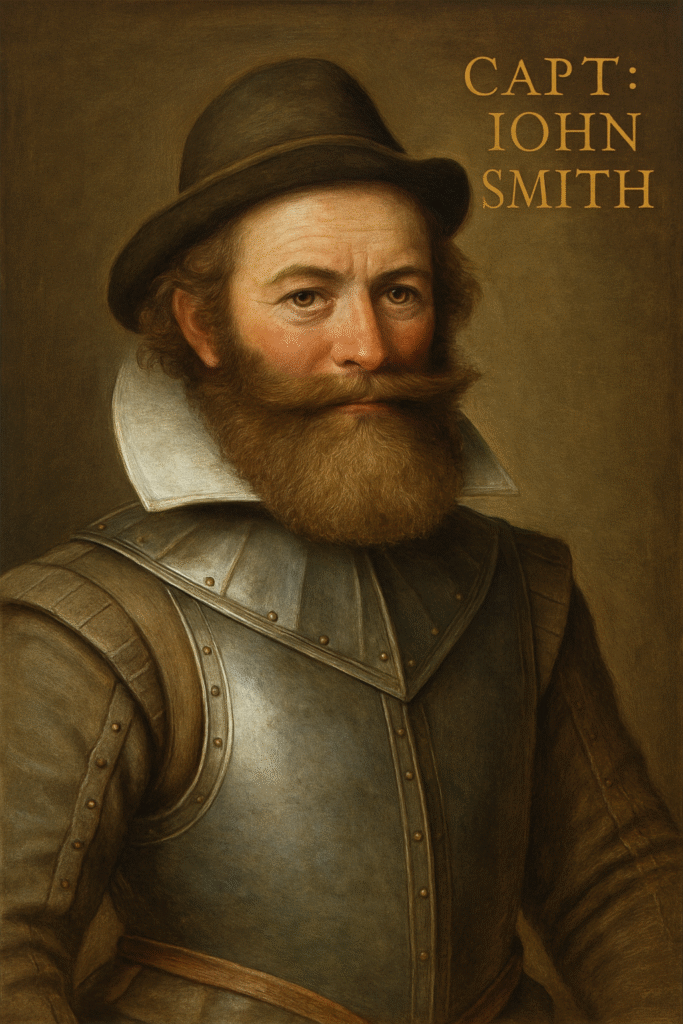
Captain John Smith emerges as a key figure in early American exploration. His life blends adventure, leadership, and literary achievement. Moreover, his writings reflect firsthand colonial experience vividly. Each account informs readers about geography, culture, and survival. Furthermore, he documents encounters with Native Americans and challenges of settlement. Consequently, historical understanding relies on his observations consistently. Smith’s leadership demonstrates courage, decisiveness, and negotiation skill. Moreover, exploration shapes character, narrative, and vision simultaneously. His literary work transforms experience into enduring record naturally. Each story highlights adventure, danger, and human resilience. Furthermore, ethical observation appears through leadership decisions and diplomacy. Consequently, Smith’s legacy spans exploration, governance, and literature. Readers recognize courage, intellect, and perseverance intertwined. Moreover, his writings inform subsequent generations continuously. Therefore, Captain John Smith’s contribution blends historical insight, narrative skill, and moral observation seamlessly.
1. Early Life
Born in England, he trained for military and maritime life early. Moreover, discipline, navigation, and observation shaped youth consistently. Each apprenticeship taught resilience, leadership, and practical skill simultaneously. Furthermore, physical and intellectual preparation fueled later exploration naturally. Consequently, early training under pressure prepared him for colonial challenges effectively. Life experiences combined risk, strategy, and learning continuously. Moreover, exposure to naval service honed decision-making under duress. Each lesson contributed to confidence, adaptability, and authority. Furthermore, observation of human behavior informed later writing. Consequently, practical knowledge reinforced narrative realism and leadership skill. Early adversity shaped both character and literary style naturally. Moreover, education, travel, and exposure to diverse situations informed worldview continuously. Therefore, his youth laid foundation for exploration, governance, and storytelling.
2. Voyage to America
The journey to Virginia tested skill, endurance, and leadership immediately. Moreover, storms, illness, and logistical challenges demanded resilience constantly. Each obstacle required strategy, courage, and patience simultaneously. Furthermore, navigation, resource management, and crew morale relied on expertise. Consequently, arrival at Jamestown marked both achievement and new responsibility. The expedition revealed unknown terrain, flora, and fauna vividly. Moreover, cultural observation began with first encounters with local tribes. Each interaction provided insight into diplomacy and negotiation. Furthermore, natural hazards informed future survival strategies. Consequently, the voyage shaped narrative, ethical perspective, and leadership style. Observation, risk management, and decisiveness coalesced naturally. Moreover, experience reinforced confidence and authority continuously. Therefore, the journey laid groundwork for colonial success and literary documentation.
3. Jamestown Settlement
Jamestown became the arena of challenge and achievement vividly. Moreover, settlers faced starvation, disease, and conflict simultaneously. Each day demanded courage, resourcefulness, and leadership skill consistently. Furthermore, social and environmental dynamics shaped ethical and strategic decisions. Consequently, settlement success depended on practical knowledge and diplomacy. Cooperation and negotiation with Native Americans appeared crucial continually. Moreover, communal survival required fair leadership and enforcement of rules. Each hardship tested morale, patience, and ingenuity naturally. Furthermore, adaptation to climate, food scarcity, and labor shortages informed survival strategy. Consequently, Smith’s guidance promoted cohesion and perseverance among settlers. Observation of human behavior became vital to governance and diplomacy. Moreover, practical problem-solving reinforced ethical leadership and narrative authority. Therefore, Jamestown represented both struggle and achievement, inspiring historical record and literature.
4. Relations with Native Americans
Interaction with local tribes demanded diplomacy, observation, and negotiation continuously. Moreover, alliances and conflicts influenced survival and trade significantly. Each encounter revealed culture, language, and custom vividly. Furthermore, careful attention to ethical conduct fostered trust consistently. Consequently, communication, gifts, and compromise ensured mutual understanding. Observation of leadership structures and social norms informed strategy naturally. Moreover, documentation of behavior, belief, and daily life appeared in writings. Each encounter combined risk, diplomacy, and moral reflection simultaneously. Furthermore, trade, negotiation, and alliance reinforced survival and settlement success. Consequently, Smith’s accounts provide insight into cross-cultural dynamics accurately. Observation and ethical negotiation strengthened governance and historical documentation. Moreover, respect and intelligence guided relationship-building continuously. Therefore, understanding Native American society became essential to leadership and narrative reliability.
5. Pocahontas and Diplomacy
Pocahontas exemplified negotiation, compassion, and cultural bridge-building vividly. Moreover, her intervention prevented conflict, fostering trust naturally. Each interaction influenced survival, morale, and leadership authority consistently. Furthermore, diplomacy required careful attention, ethical choice, and clarity simultaneously. Consequently, peaceful coexistence depended on negotiation, observation, and compromise. Mutual respect and symbolic gestures ensured alliance longevity continually. Moreover, documentation of her role informs history and literature simultaneously. Each encounter demonstrates humanity, strategic skill, and ethical reflection vividly. Furthermore, trust, courage, and mediation shaped settlement progress. Consequently, narrative preserves lessons in diplomacy, negotiation, and moral decision-making. Observation, recording, and interpretation of events enhance historical clarity naturally. Moreover, these experiences contributed to literary authority and narrative richness. Therefore, Pocahontas’s actions illustrate diplomacy, ethical judgment, and human agency effectively.
6. Leadership in Jamestown
Guiding the colony demanded courage, patience, and decisiveness continuously. Moreover, establishing rules, discipline, and labor systems ensured survival. Each choice affected morale, cooperation, and ethical perception naturally. Furthermore, practical problem-solving strengthened leadership credibility consistently. Consequently, fair governance promoted trust, order, and cohesion simultaneously. Observation of human behavior informed rule enforcement and narrative insight vividly. Moreover, delegation, arbitration, and negotiation shaped group dynamics naturally. Each crisis highlighted adaptability, foresight, and moral responsibility simultaneously. Furthermore, innovation in agriculture, trade, and construction facilitated survival. Consequently, leadership experience informed literary reflection and historical insight simultaneously. Observation, decision-making, and ethical awareness reinforced legacy continually. Moreover, collaboration and mentorship promoted communal stability naturally. Therefore, leadership integrated ethics, strategy, and narrative authority effectively.
7. Exploration of the Chesapeake
Mapping rivers, lands, and resources expanded geographic knowledge significantly. Moreover, careful observation documented flora, fauna, and settlements naturally. Each journey demanded endurance, skill, and negotiation simultaneously. Furthermore, discovery informed trade, alliances, and colonial strategy continuously. Consequently, exploration supported survival, diplomacy, and narrative richness. Geographic knowledge enhanced strategic planning and literary documentation naturally. Moreover, rivers, forests, and villages appeared vividly in account. Each expedition illustrated courage, observation, and adaptability simultaneously. Furthermore, environmental challenges strengthened decision-making and reflection naturally. Consequently, recorded exploration informed maps, literature, and colonial planning effectively. Observation of terrain, people, and resources integrated ethical, practical, and aesthetic insight. Moreover, survival lessons reinforced leadership and narrative authority consistently. Therefore, exploration exemplified risk, knowledge, and documentation seamlessly.
8. Writings and Publications
Publications preserved exploration, governance, and diplomacy vividly. Moreover, descriptive prose combined practical detail and ethical reflection naturally. Each account blended narrative, observation, and moral lesson simultaneously. Furthermore, vivid description enhanced historical and literary value consistently. Consequently, writings informed Europeans and future settlers of American realities. Documentation of tribes, geography, and settlement reinforced cultural and social understanding. Moreover, stylistic clarity strengthened communication and narrative authority naturally. Each publication highlighted risk, resourcefulness, and ethical judgment vividly. Furthermore, prose conveyed adventure, leadership, and reflection seamlessly. Consequently, literature became record, instruction, and entertainment simultaneously. Observation, accuracy, and narrative skill enhanced authority continuously. Moreover, reflective commentary guided readers’ ethical and practical insight naturally. Therefore, publications integrated exploration, governance, and literary achievement effectively.
9. Literary Style
Prose combines clarity, observation, and storytelling vividly. Moreover, humor, detail, and moral reflection appear naturally. Each sentence communicates action, character, and insight simultaneously. Furthermore, narrative blends entertainment, education, and reflection consistently. Consequently, style reinforces historical reliability and readability effectively. Word choice, rhythm, and description convey environment and character naturally. Moreover, style balances adventure, observation, and ethical commentary simultaneously. Each passage illuminates event, insight, and moral lesson vividly. Furthermore, narrative voice emphasizes leadership, experience, and reflection continuously. Consequently, style enhances ethical, historical, and literary understanding effectively. Attention to detail, rhythm, and clarity strengthens audience engagement naturally. Moreover, description and dialogue promote realism and narrative depth. Therefore, prose unites information, observation, and artistry seamlessly.
10. Achievements in Colonization
Establishing governance, trade, and survival systems ensured colony endurance. Moreover, negotiation, leadership, and observation enhanced security naturally. Each effort promoted cooperation, productivity, and ethical management simultaneously. Furthermore, innovations in agriculture, construction, and diplomacy strengthened sustainability continuously. Consequently, achievements guided settlement success and historical record simultaneously. Observation, strategic planning, and ethical judgment informed decision-making naturally. Moreover, alliances and fair rule reinforced authority and trust consistently. Each victory combined leadership, resilience, and foresight effectively. Furthermore, problem-solving and adaptation preserved life, morale, and growth naturally. Consequently, accomplishments inspired European recognition, settlement expansion, and literary documentation. Achievements integrate courage, intellect, and moral insight seamlessly. Moreover, governance, exploration, and documentation remain instructive and influential naturally. Therefore, contributions shape American colonial history, leadership, and literature effectively.
11. Adventures Abroad
European travels before and after America informed skill, observation, and perspective. Moreover, military, naval, and exploratory experience refined courage and leadership naturally. Each journey contributed knowledge, tactics, and cultural insight simultaneously. Furthermore, observation of foreign societies strengthened narrative accuracy consistently. Consequently, global perspective enriched writing, diplomacy, and ethical reflection effectively. Knowledge of trade, terrain, and human behavior appeared vividly. Moreover, encounters with conflict, culture, and diplomacy informed adaptability naturally.
12. Military Experience
Service in European armies honed courage, discipline, and strategic skill. Moreover, combat experience developed decisiveness and observation naturally. Each campaign tested endurance, leadership, and morality simultaneously. Furthermore, exposure to danger strengthened judgment and ethical awareness consistently. Consequently, military training informed both colonial governance and literary accuracy. Observation of human behavior in conflict enriched narrative insight vividly. Moreover, hierarchy, command, and negotiation reinforced responsibility naturally. Each victory required planning, adaptability, and moral reflection simultaneously. Furthermore, battlefield experience cultivated resilience, patience, and foresight continually. Consequently, Smith’s writings reflect practical knowledge, ethical decision-making, and narrative authority. Observation, documentation, and tactical skill reinforced legacy continuously. Moreover, military experience shaped leadership, survival, and storytelling seamlessly. Therefore, combat taught courage, insight, and prudence naturally.
13. Role as Explorer
Exploration demanded courage, observation, and endurance consistently. Moreover, mapping rivers, forests, and villages required skill and patience. Each journey revealed natural resources, settlements, and hazards vividly. Furthermore, documentation guided survival, trade, and diplomacy continuously. Consequently, exploration informed both practical decisions and literary narrative effectively. Observation of terrain, flora, and fauna enhanced descriptive writing naturally. Moreover, engagement with indigenous populations required ethical negotiation simultaneously. Each expedition balanced risk, discovery, and leadership consistently. Furthermore, journeys provided material for publications, maps, and instruction naturally. Consequently, exploration strengthened cultural understanding, survival, and historical insight. Observation, planning, and moral judgment reinforced credibility continuously. Moreover, strategic travel advanced both settlement success and narrative authority. Therefore, exploration fused adventure, knowledge, and literary achievement seamlessly.
14. Governance of Jamestown
Leadership required fairness, vigilance, and ethical oversight consistently. Moreover, establishing order, labor, and resources promoted survival naturally. Each decision affected morale, cooperation, and communal trust simultaneously. Furthermore, governance demanded negotiation, observation, and problem-solving continuously. Consequently, Smith ensured colony cohesion, security, and productivity effectively. Observation of human behavior informed rule enforcement naturally. Moreover, guidance through crises reinforced authority and ethical judgment simultaneously. Each challenge tested resilience, diplomacy, and foresight consistently. Furthermore, decisions balanced survival, law, and moral instruction naturally. Consequently, governance integrated practical action with ethical reflection. Observation, leadership, and communication strengthened loyalty continuously. Moreover, structure, discipline, and fairness promoted long-term settlement success naturally. Therefore, governance fused courage, strategy, and moral responsibility seamlessly.
15. Contribution to Cartography
Mapping rivers, coastlines, and settlements expanded geographic knowledge vividly. Moreover, careful observation ensured accurate depiction naturally. Each chart improved navigation, planning, and trade simultaneously. Furthermore, documentation guided explorers, settlers, and officials continuously. Consequently, cartography informed strategic decisions and historical record effectively. Observation of topography, flora, and population enhanced utility naturally. Moreover, maps reflected both practical and literary insight simultaneously. Each representation balanced accuracy, readability, and aesthetic clarity consistently. Furthermore, precision and clarity aided exploration, diplomacy, and education naturally. Consequently, maps became essential tools for colonial success and literature. Observation, documentation, and analysis reinforced authority continuously. Moreover, cartographic skill complemented exploration, leadership, and narrative expertise seamlessly. Therefore, mapping combined knowledge, observation, and artistry effectively.
16. Writing Style
Prose emphasized clarity, detail, and moral reflection consistently. Moreover, narrative blended entertainment, instruction, and observation naturally. Each sentence conveyed leadership, adventure, and insight simultaneously. Furthermore, vivid description enhanced comprehension and engagement continuously. Consequently, writing served as record, lesson, and story simultaneously. Observation of events informed ethical commentary naturally. Moreover, careful pacing and structure reinforced clarity and authority simultaneously. Each paragraph balanced narrative, reflection, and moral guidance consistently. Furthermore, style integrated observation, storytelling, and instruction naturally. Consequently, literary technique strengthened historical, ethical, and cultural understanding. Observation, description, and insight reinforced credibility continuously. Moreover, narrative skill united artistry and instruction seamlessly. Therefore, prose transformed personal experience into universal lesson effectively.
17. Books and Publications
Written accounts preserved exploration, governance, and diplomacy vividly. Moreover, publications blended observation, adventure, and instruction naturally. Each text provided practical knowledge, historical insight, and moral reflection simultaneously. Furthermore, prose informed European audiences about colonial realities continuously. Consequently, publications shaped perception of America and its peoples effectively. Observation of culture, geography, and leadership strengthened content naturally. Moreover, style emphasized clarity, engagement, and ethical commentary simultaneously. Each volume enhanced understanding of settlement, survival, and negotiation consistently. Furthermore, repetition and detail reinforced narrative authority naturally. Consequently, publications informed policy, education, and literature effectively. Observation, description, and ethical guidance reinforced influence continuously. Moreover, prose communicated courage, resourcefulness, and morality seamlessly. Therefore, writing merged exploration, history, and literary accomplishment successfully.
18. Legacy in Literature
Narratives influenced explorers, historians, and writers consistently. Moreover, storytelling integrated adventure, leadership, and moral insight naturally. Each account informed future colonies and literary traditions simultaneously. Furthermore, ethical reflection and observation enhanced educational value continuously. Consequently, legacy bridges historical record, moral teaching, and narrative skill. Observation of human behavior, terrain, and diplomacy enriched content naturally. Moreover, style inspired clarity, vividness, and authority simultaneously. Each narrative demonstrated courage, strategy, and reflection consistently. Furthermore, lessons in survival, negotiation, and leadership endure naturally. Consequently, literary contribution strengthens cultural memory and guidance effectively. Observation, structure, and narrative cohesion reinforce influence continuously. Moreover, insight and ethical perspective inspire successive generations naturally. Therefore, literature preserves both adventure and moral instruction seamlessly.
19. Influence on Exploration
Leadership and documentation guided later explorers systematically. Moreover, maps, journals, and experience informed navigation naturally. Each voyage inspired courage, planning, and ethical consideration simultaneously. Furthermore, recorded encounters demonstrated diplomacy, negotiation, and survival continuously. Consequently, exploration benefited from precedent, guidance, and insight effectively. Observation of terrain, culture, and resources strengthened methodology naturally. Moreover, analysis of successes and failures shaped future strategy simultaneously. Each expedition combined practical skill, courage, and moral judgment consistently. Furthermore, knowledge informed colonial policy, trade, and settlement naturally. Consequently, influence extends beyond immediate experience into lasting instruction. Observation, adaptation, and communication reinforced authority continuously. Moreover, lessons in leadership, negotiation, and survival persist naturally. Therefore, impact on exploration combines practice, ethics, and documentation seamlessly.
20. Contribution to Colonial History
Records inform survival, governance, and cross-cultural contact vividly. Moreover, journals, maps, and letters document strategy naturally. Each account illustrates hardship, leadership, and diplomacy simultaneously. Furthermore, detail preserves insight for historians and readers continuously. Consequently, history benefits from accuracy, reflection, and moral observation effectively. Observation of environment, society, and conflict strengthened historical authority naturally. Moreover, clarity and style ensure accessibility and comprehension simultaneously. Each report combines experience, lesson, and narrative consistently. Furthermore, reflection reinforces understanding, ethical judgment, and leadership naturally. Consequently, documentation shapes colonial studies, teaching, and literature effectively. Observation, analysis, and narration strengthen credibility continuously. Moreover, insight into human and environmental interaction informs interpretation naturally. Therefore, historical contribution preserves knowledge, morality, and experience seamlessly.
21. Recognition and Honors
Explorers, historians, and writers praised courage and insight consistently. Moreover, leadership, documentation, and diplomacy earned acknowledgment naturally. Each achievement highlighted resilience, skill, and ethical judgment simultaneously. Furthermore, European recognition reinforced reputation and influence continuously. Consequently, honors reflected contribution to exploration, settlement, and writing effectively. Observation of accomplishments inspired emulation and study naturally. Moreover, historical record commemorated leadership, strategy, and narrative skill simultaneously. Each acknowledgment integrated adventure, guidance, and moral reflection consistently. Furthermore, reputation strengthened authority, credibility, and literary reception naturally. Consequently, recognition preserved impact and model behavior effectively. Observation, record-keeping, and teaching reinforced legacy continuously. Moreover, example of courage, diplomacy, and ethical conduct informs generations naturally. Therefore, honors confirm influence, achievement, and narrative contribution seamlessly.
22. Educational Influence
Accounts provide lessons in leadership, ethics, and observation consistently. Moreover, practical detail enhances moral and intellectual comprehension naturally. Each narrative guides strategy, diplomacy, and survival simultaneously. Furthermore, reflection teaches ethical decision-making and resilience continuously. Consequently, writing informs both academic study and practical insight effectively. Observation of experience, consequence, and choice strengthens educational value naturally. Moreover, style, clarity, and story reinforce learning simultaneously. Each lesson combines adventure, leadership, and ethical reflection consistently. Furthermore, narratives support cognitive, moral, and cultural understanding naturally. Consequently, education benefits from example, insight, and documentation effectively. Observation, analysis, and critical reflection strengthen learning continuously. Moreover, ethical and practical guidance informs behavior naturally. Therefore, literary work functions as moral and educational tool seamlessly.
23. Influence on Cartography
Maps guided exploration, settlement, and trade continuously. Moreover, accurate depiction of rivers, forests, and villages informed strategy naturally. Each chart integrated observation, measurement, and description simultaneously. Furthermore, geographic knowledge enhanced planning, diplomacy, and documentation continuously. Consequently, cartography contributed to survival, education, and literary narrative effectively. Observation of topography, hazards, and population enhanced accuracy naturally. Moreover, presentation combined utility, clarity, and aesthetic appeal simultaneously. Each representation balanced practicality, readability, and ethical reflection consistently. Furthermore, documentation preserved knowledge for exploration, study, and policy naturally. Consequently, cartographic skill informed leadership, decision-making, and literature effectively. Observation, measurement, and description reinforced authority continuously. Moreover, skill combined art, science, and moral insight naturally. Therefore, mapping strengthened exploration, knowledge, and historical documentation seamlessly.
24. Influence on Colonial Narratives
Captain John Smith influenced colonial writing through vivid depictions of the New World. Moreover, his adventurous tone inspired early American imagination deeply. Consequently, later settlers viewed America through his descriptive storytelling. His works connected survival with purpose and divine providence clearly. Furthermore, hecombined realism with patriotic idealism effectively. Thus, his writings shaped how people understood exploration and destiny. Readers admired his ability to mix faith and adventure seamlessly. Additionally, he promoted courage as the foundation of civilization proudly. Therefore, he became a guiding literary voice of discovery. His influence continues in colonial records and frontier tales timelessly.
25. Representation of Native Encounters
Captain John Smith presented Native encounters as moments of moral testing. Moreover, he described them with curiosity, diplomacy, and occasional conflict vividly. His perspective revealed cultural differences and human complexity equally. Consequently, he created early ethnographic detail within exploration literature. Furthermore, his honesty about tension reflected balanced awareness deeply. Thus, readers saw humanity beyond conquest and fear. He highlighted Pocahontas as symbol of reconciliation beautifully. Additionally, he used dialogue to reveal mutual respect carefully. Therefore, his depiction of Native people invited reflection, not superiority. His portrayal encouraged understanding between faith, survival, and compassion steadily.
26. Religious and Moral Vision
Captain John Smith viewed his mission as both divine and civil. Moreover, he described exploration as extension of spiritual calling strongly. His narratives revealed moral purpose through labor and courage clearly. Consequently, he linked colonization with divine order faithfully. Furthermore, he used scripture to strengthen human resolve throughout hardship. Thus, his moral tone shaped early American virtue meaningfully. Readers sensed that faith and discipline ensured survival together. Additionally, he blended Christianity with practical governance naturally. Therefore, he gave exploration moral dignity and spiritual vision beautifully. His faith-driven leadership continues to inspire American moral storytelling.
27. Literary Style and Language
Captain John Smith wrote in energetic, simple, and direct language always. Moreover, his clear tone appealed to both scholars and common readers. His imagery captured the wild beauty of new lands vividly. Consequently, he united adventure with artistry effectively. Furthermore, he used repetition and rhythm to strengthen moral resolve. Thus, his prose carried persuasive force and lasting appeal. His tone inspired confidence and patriotic pride across generations. Additionally, he avoided ornament, preferring sincerity and truth. Therefore, his writing stood as model for colonial clarity forever. His stylistic strength defined foundation of American narrative realism.
28. Legacy in Modern Context
Captain John Smith remains symbol of courage and national identity proudly. Moreover, his writings helped frame early American myth powerfully. His vision guided explorers and idealists for centuries continuously. Consequently, he still inspires historical fiction and academic debate. Furthermore, he embodies adventurous spirit that shaped American destiny deeply. Thus, his life reminds readers of endurance and purpose beautifully. His courage set pattern for leadership under adversity clearly. Additionally, he bridges history with imagination gracefully. Therefore, he continues to represent both heroism and humility eternally. His enduring legend enriches global understanding of colonial beginnings profoundly.
29. Global Recognition
Captain John Smith gained recognition beyond America’s boundaries steadily. Moreover, his explorations fascinated European readers and scholars equally. His detailed maps advanced global knowledge of geography considerably. Consequently, he became symbol of discovery and enlightenment internationally. Furthermore, he represented English resilience and innovation abroad proudly. Thus, historians worldwide still study his narrative influence deeply. His name remains linked with adventure, faith, and education meaningfully. Additionally, he strengthened cultural exchange through honest reporting. Therefore, his reputation endures in history, art, and education universally. His contributions define global admiration for early American vision completely.
30. Conclusion: The Life and Legacy of Captain John Smith
Captain John Smith represents the birth of American exploration and literature brilliantly. Moreover, his achievements shaped imagination and identity of an entire nation. His courage and intellect built foundation of storytelling in the New World. Consequently, he merged experience, faith, and adventure harmoniously. Furthermore, his legacy bridges past and present with enduring wisdom. Thus, readers continue to celebrate his valor, leadership, and creativity passionately. His influence echoes in every tale of discovery and hope today. Additionally, he remains immortal through his words and deeds. Therefore, his vision still defines moral and national inspiration powerfully. His life and work prove the union of action and artistry forever.
William Faulkner as a Modernist Writer: https://englishlitnotes.com/2025/06/01/william-faulkner-modernist-writer/
Common Mistakes in the Use of Articles: https://grammarpuzzlesolved.englishlitnotes.com/use-of-article/
China’s Way to Progress: https://englishwithnaeemullahbutt.com/2025/06/03/chinas-way-to-progress/
The Colonial and Early National Period: https://americanlit.englishlitnotes.com/colonial-and-early-national-period/
To read Captain John Smith, follow the link: https://share.google/rd93TbgUxRtOwHMhH
Discover more from Welcome to My Site of American Literature
Subscribe to get the latest posts sent to your email.