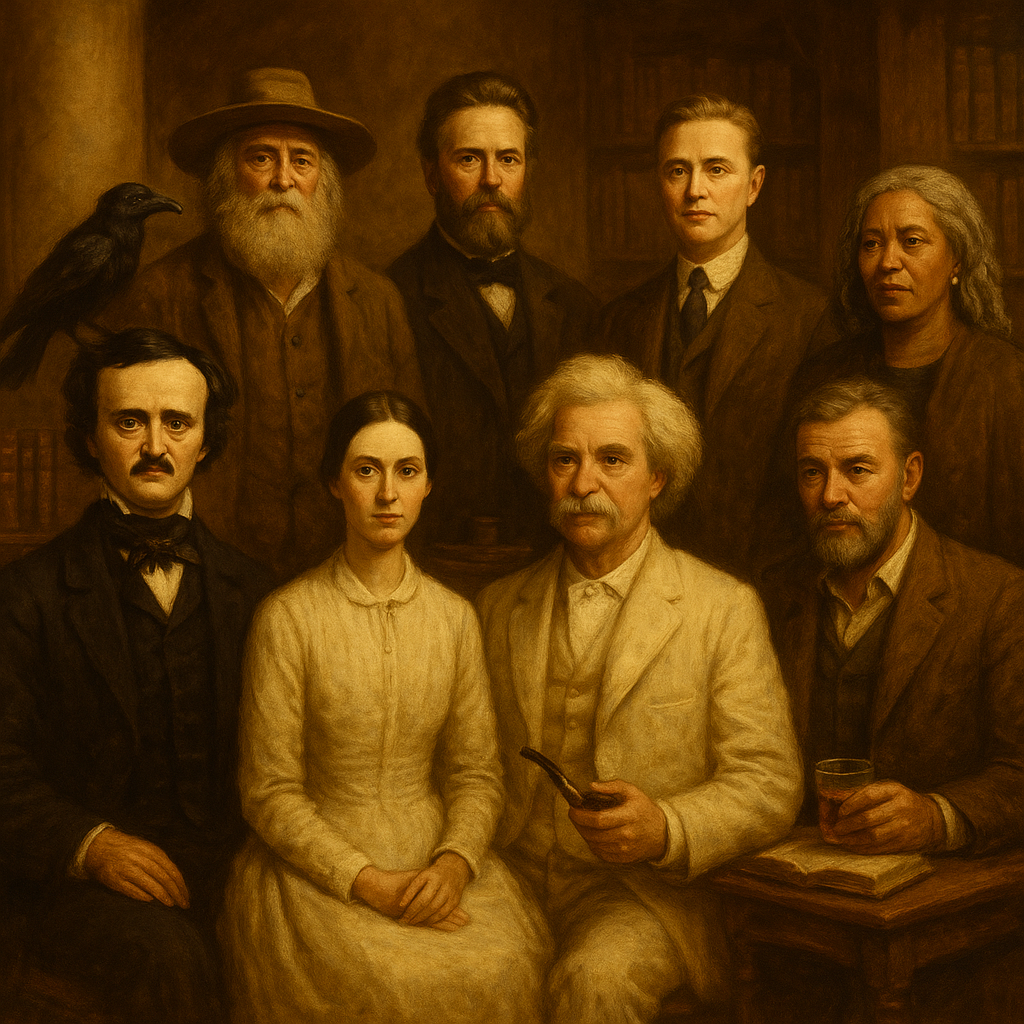
Mark Twain (1835–1910): Life and Works of Mark Twain

Introduction: Mark Twain Mark Twain reshaped American literature through wit, satire, and keen observation. Moreover, he captured the essence of 19th-century society vividly. His writing blends humor with moral insight consistently. Therefore, readers find both entertainment and reflection in his work. Each story offers social critique, often veiled in playful narrative. Furthermore, Twain’s voice remains relatable across generations. His mastery of regional dialects adds realism and charm. Consequently, he portrays characters with vivid depth and authenticity. Moreover, his perspective challenges social norms cleverly. The life of Mark Twain reveals resilience,…

Read More

Captain John Smith: American Exploration Pioneer

Introduction: Captain John SmithCaptain John Smith emerges as a key figure in early American exploration. His life blends adventure, leadership, and literary achievement. Moreover, his writings reflect firsthand colonial experience vividly. Each account informs readers about geography, culture, and survival. Furthermore, he documents encounters with Native Americans and challenges of settlement. Consequently, historical understanding relies on his observations consistently. Smith’s leadership demonstrates courage, decisiveness, and negotiation skill. Moreover, exploration shapes character, narrative, and vision simultaneously. His literary work transforms experience into enduring record naturally. Each story highlights adventure, danger, and…

Read More

James Kirke Paulding: Voice of Early America

1. Introduction to James Kirke PauldingJames Kirke Paulding shaped early American identity through humor and patriotism. His work celebrated local themes and national pride equally. Moreover, he explored the social changes of post-revolutionary America with insight. Therefore, his writing became cultural reflection and moral commentary together. Born in 1778, he grew within the nation’s formative years. Consequently, his experiences shaped his creative worldview deeply. He stood beside Washington Irving, sharing the vision of national literature. Furthermore, his humor bridged common experience and intellectual reflection skillfully. Through stories and essays, he…

Read More

Susanna Haswell Rowson: Early American Women’s Voice

Introduction to Susanna Haswell Rowson Susanna Haswell Rowson shaped early American women’s literature through strength, imagination, and purpose. She blended moral vision with artistic clarity. Moreover, her stories portrayed women’s resilience under social limits. She showed how courage and virtue could transform hardship into hope. Therefore, her fiction inspired education, empathy, and reform. Born in England and raised between continents, she developed unique insight into freedom and identity. Her work reflected both American ideals and human struggle. Furthermore, she used her pen to defend female intellect and emotion. Each novel…

Read More

Catharine Maria Sedgwick: American Novelist and Advocate

IntroductionCatharine Maria Sedgwick shaped early American literature through moral vision and cultural insight. Her writings captured national identity during the young republic’s formation. Moreover, she portrayed social harmony as rooted in virtue, reason, and empathy. She challenged conventional roles by presenting independent and intelligent female characters. Consequently, she opened new paths for women in literary expression. Her fiction balanced realism with moral guidance, reflecting a nation’s evolving conscience. Furthermore, she united patriotic ideals with ethical reflection, revealing the soul of America’s democratic experiment. Through narrative craft, she translated civic virtue…

Read More

Thomas Paine Revolutionary Writer of America

Introduction Thomas Paine Revolutionary Writer of America transformed the political and intellectual landscape of his time. His works stirred colonial America with fiery conviction and moral clarity. Moreover, he linked political freedom to moral responsibility. Through his writings, he ignited revolutionary thought and awakened a collective spirit of resistance. Additionally, he simplified complex political philosophies for common readers, ensuring accessibility and emotional engagement. His bold prose inspired courage and questioned tyranny. Furthermore, he united ideals of justice and equality under the banner of independence. Every sentence carried persuasive power and…

Read More

Jonathan Edwards Early National American Writer

IntroductionJonathan Edwards Early National American Writer represents the powerful union of faith and intellect in the formation of American identity. Jonathan Edwards transformed spiritual thought through logic, emotion, and devotion. Moreover, his writings explored divine power, human weakness, and redemption with depth and clarity. Therefore, his contribution marked a turning point in moral and intellectual history. His voice guided the colonies toward ethical awareness and national renewal. Furthermore, his sermons shaped not only theology but also the cultural soul of a developing nation. Through precise argument and intense faith, he…

Read More

William Bradford in Early National Period of American History

Introduction: Assessing the Posthumous Influence of William Bradford in Early National Period The Early National Period began around 1790. This era defined American identity. William Bradford was the Plymouth governor. He wrote Of Plimoth Plantation. Bradford died in 1657. Nevertheless, his life influenced national thought. William Bradford in Early National Period proved consequential indeed. We consequently explore his subtle posthumous impact now. His principles were retrieved strategically. Americans subsequently reinterpreted his records. They finally integrated his history nationally. Bradford certainly contributed to American civic republicanism. Moreover, he shaped exceptionalism during…

Read More

John Winthrop as Puritan Leader of Early Colonial America

IntroductionJohn Winthrop as Puritan Leader defines early American ideals of faith, order, and purpose. Moreover, his writings reveal the fusion of theology and civic responsibility. Each sermon and journal entry reflects a belief in divine providence guiding human destiny. Through reflection and governance, he shapes moral and political order. Additionally, his work articulates the Puritan dream of a disciplined and righteous society. The phrase “city upon a hill” encapsulates his vision of moral excellence. Furthermore, Winthrop combines religious conviction with practical governance, ensuring spiritual and civic balance. His thought influences…

Read More

Benjamin Franklin: The Man Who Shaped American Identity

1. Introduction to Benjamin Franklin Benjamin Franklin began life in Boston, navigating a humble upbringing which profoundly influenced his later pursuits. Subsequently, his father intended him for the clergy, but the young Franklin clearly gravitated toward books and writing. Therefore, he found a position as an apprentice to his older brother James, a printer, thereby starting his career in publishing. Moreover, this environment provided him with vital, self-directed learning because he voraciously read every book he could access. Consequently, this early immersion in literature and public discourse fueled his intellectual…

Read More