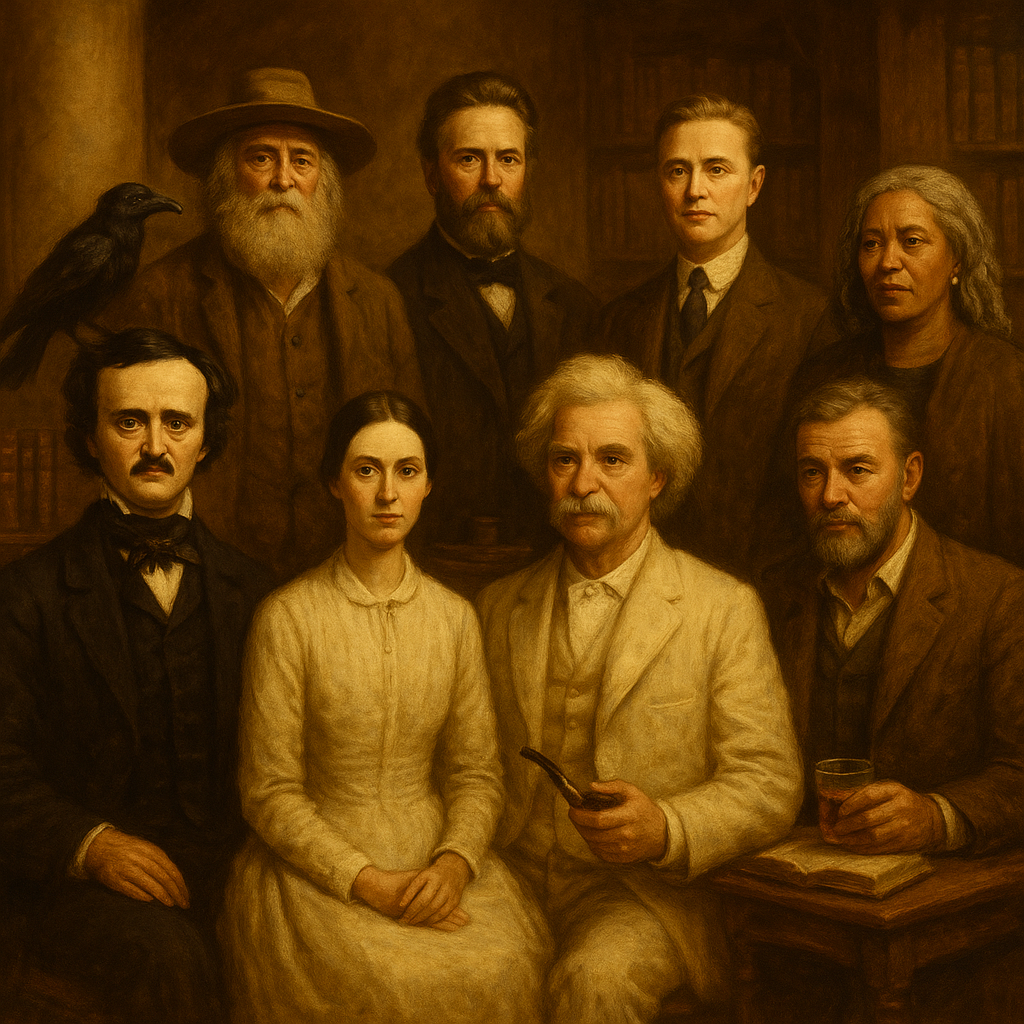
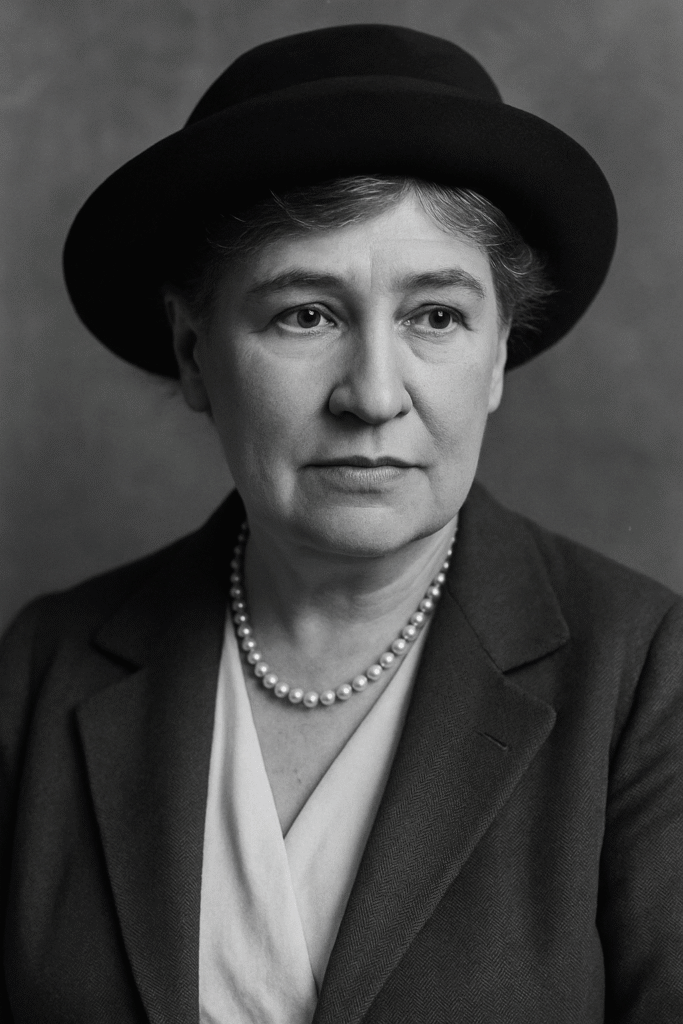
Willa Cather as a Modernist Writer
Willa Cather, one of the most respected figures in American literature, made a significant mark during the early 20th century with her vivid portrayals of frontier life, immigrant struggles, and psychological introspection. Although her work is often associated with realism and regionalism, Cather’s experimentation with narrative structure, theme, and perspective firmly places her among the influential modernist American writers. Her novels reflect the shifting cultural values and evolving literary forms of the Modernist period, especially in their deep psychological insight and rejection of romantic excess.
Cather’s Unique Place in Modernism
Willa Cather occupies a unique space in the Modernist literary movement. While other modernist writers like T.S. Eliot and James Joyce pushed boundaries with abstract or highly experimental prose, Cather preferred a more restrained and minimalist style. Yet, beneath the surface of her calm, straightforward storytelling lies a rich undercurrent of modernist themes such as alienation, dislocation, and the fragmentation of identity. Transitioning from romantic depictions of the past to a more introspective focus on individual consciousness, her novels echo the spirit of the age.
Cather was deeply concerned with the loss of traditional values and the disappearance of old-world cultural richness. Her work often mourns the past while acknowledging the inescapable force of change. In this sense, she shares the modernist preoccupation with memory, time, and cultural transition. These themes are particularly evident in her celebrated Prairie Trilogy: O Pioneers! (1913), The Song of the Lark (1915), and My Ántonia (1918).
Simplicity as Artistic Strength
Unlike many modernists who adopted radical narrative techniques, Willa Cather embraced a deceptively simple style. However, this simplicity was deliberate and reflective of a modernist desire to strip away unnecessary ornamentation. Her prose, spare and elegant, allows for emotional complexity and philosophical depth without overt experimentation. This technique aligns her with modernist goals, even if her methods appear more traditional on the surface.
Cather once stated, “The higher processes of art are all processes of simplification.” This belief resonates with the modernist tendency to prioritize internal consciousness over external elaboration. By simplifying form, she focused on the psychological and existential struggles of her characters, particularly those grappling with displacement, identity, and belonging.
Psychological Insight and Interior Lives
Another modernist feature in Willa Cather’s work is her emphasis on psychological depth. Her characters often deal with internal conflict, emotional isolation, and cultural alienation. This inward turn reflects the modernist shift away from outward adventure toward inner exploration. In The Professor’s House (1925), for example, the protagonist Godfrey St. Peter experiences a deep existential crisis, triggered not by external events but by internal reflection and dissatisfaction with modern life.
The novel is structurally modernist as well, divided into distinct sections that disrupt traditional narrative flow. The second part, “Tom Outland’s Story,” functions almost like a novella within the novel, a technique reminiscent of narrative fragmentation seen in other modernist texts. It highlights the modernist preoccupation with memory, loss, and the subjective nature of experience.
Myth, Memory, and Cultural Loss
Willa Cather’s modernism also manifests through her engagement with myth and memory. Her characters often cling to the past or idealize a lost era. This yearning is not simply nostalgic but rather a way of coping with the loss of cultural identity and meaning—a common modernist concern. In Death Comes for the Archbishop (1927), Cather weaves history, spirituality, and landscape into a narrative that meditates on cultural transformation and the fading of a once deeply rooted Catholic mission in the American Southwest.
Here, Cather’s modernism is seen in her use of mythic structure and her blending of historical narrative with lyrical reflection. While the novel reads as a chronicle, it subtly explores the fragmentation of values and identity—recurring issues in modernist fiction.
Dislocation and the Immigrant Experience
A core element of Willa Cather’s fiction is the immigrant experience, especially in the American Midwest. Her modernism is most evident in her representation of cultural hybridity, dislocation, and adaptation. In My Ántonia, the Bohemian immigrant Ántonia Shimerda struggles to preserve her cultural identity while adapting to a new and often hostile environment. Her story reflects the modernist theme of cultural collision and the difficulty of reconciling past traditions with present realities.
Through Ántonia and other immigrant characters, Cather gives voice to the silent upheaval faced by individuals navigating changing national and cultural landscapes. This treatment of identity and displacement parallels the concerns of other modernist writers, though Cather’s voice remains distinctly her own—gentle yet piercing, calm yet profound.
Feminine Perspectives and Gender Identity
Modernism also encouraged writers to challenge gender norms, and Cather did this with remarkable subtlety. Though she did not overtly write feminist manifestos, her fiction often centers on strong female characters who defy traditional roles. In The Song of the Lark, Thea Kronborg’s journey from small-town girl to accomplished opera singer challenges societal expectations of women and artistic ambition.
Furthermore, Willa Cather’s own gender identity and sexual orientation have prompted much scholarly analysis, especially in light of modernist interest in identity and selfhood. Her personal life—marked by close, emotionally intimate relationships with women and a rejection of conventional femininity—resonates in her fiction’s exploration of female autonomy, same-sex attachment, and the limitations of heteronormative society.
Rural Landscapes as Inner Terrain
In contrast to the urban focus of many modernist writers, Cather found her inspiration in rural America. However, her use of landscape goes beyond mere description. The land becomes a symbol of inner life, mirroring characters’ emotional and psychological states. This symbolic use of place aligns with modernist efforts to reflect internal experience through external environments.
For example, in O Pioneers!, the Nebraska plains are not just a setting—they represent the vast, often lonely psychological terrain that Alexandra Bergson must navigate. Her emotional isolation and deep spiritual connection to the land illustrate how environment and consciousness intertwine in Cather’s fiction.
Minimalism and Narrative Experimentation
Although Cather’s prose may appear straightforward, her approach to narrative form exhibits modernist innovation. She often disrupts traditional plot structure and chronological order, opting instead for impressionistic storytelling that focuses on mood and memory. This strategy is particularly evident in A Lost Lady (1923), where the protagonist’s life is viewed through the increasingly disillusioned eyes of a younger man, Niel Herbert.
The novel’s non-linear narrative and shifting perspectives echo modernist experimentation with time, memory, and subjectivity. It also explores the decline of the American aristocracy and the betrayal of idealism—another modernist theme. Though Cather’s style may not be overtly radical, it contains many modernist qualities that reward close reading.
Response to Industrialization and Modern Life
Willa Cather’s fiction often critiques the dehumanizing effects of industrialization, a concern central to modernist thought. She contrasts the soulful simplicity of rural life with the mechanical, alienating atmosphere of urban modernity. Her characters frequently confront a world that values materialism over beauty, efficiency over emotion.
In The Professor’s House, for instance, Dr. St. Peter’s discomfort with modern appliances, social ambition, and material success reflects a broader modernist disenchantment with modern life. His nostalgia for intellectual purity and spiritual depth is a direct critique of the shallow optimism promoted by industrial capitalism.
Modernism Through Restraint and Reflection
While many modernist writers used fragmentation, stream of consciousness, or disorienting imagery, Willa Cather employed modernist themes through subtlety and restraint. Her characters’ inner lives are shaped by emotional depth, cultural memory, and existential uncertainty. Her style, though traditional in appearance, participates in the modernist search for new ways of seeing the self and society.
Importantly, Cather did not conform to the rapid experimentation of her peers simply for fashion. Instead, she shaped a personal aesthetic that reflected her values: clarity, emotional truth, and timeless human experience. This quiet modernism gives her fiction a lasting power and relevance.
Legacy as a Modernist Writer
Willa Cather’s inclusion in the canon of American Modernist writers is not always straightforward, but it is well deserved. Her careful craftsmanship, exploration of psychological complexity, and commitment to authenticity all contribute to her modernist identity. She offers a vital counterpoint to the urban, experimental strain of modernism, showing that deep innovation can emerge from simplicity and sincerity.
Her work captures the pain of cultural transformation, the tension between past and present, and the eternal struggle for identity and meaning. Through her distinct voice and measured artistry, Willa Cather remains a central figure in the tapestry of modernist literature—one who broadened its scope and enriched its emotional depth.
American Literature: http://americanlit.englishlitnotes.com
English Literature: https://englishlitnotes.com/
Grammar Puzzle Solved: https://grammarpuzzlesolved.englishlitnotes.com/connotative-and-denotative-meanings/
Notes on English for Class 12: http://englishwithnaeemullahbutt.com
Discover more from Welcome to My Site of American Literature
Subscribe to get the latest posts sent to your email.